
- Home
- About Us
- Our Capabilities
- Quality Control
- Featured Products
- Towing and Trailer parts
- Rail Industry
- Electric and Telecom Components
- Construction Machinery and Forklift Components
- Lighting Components
- Components for building and fire equipments
- Motor Components
- Boat Accessories
- Power Tools Components
- Kitchen Equipment Components
- Steel Cabinets
- Other industry components
- Weight Distribution Kits & Components
- Hitch and Couplers
- Hitch Ball Kits & Components
- Fifth Wheel Components
- others
- News
- Send Inquiry
- Contact Us

News
We’re committed to sharing work results, company updates, key developments, and staffing announcements with you.
We'll keep you updated on our progress, company news, timely developments, and personnel changes.
You'll receive regular updates on our performance, organizational news, ongoing developments, and leadership appointments.
We’ll share performance outcomes, important news, timely project updates, and organizational changes with you.
Stay informed about our achievements, company happenings, real-time progress, and team updates.
 13 2026-10
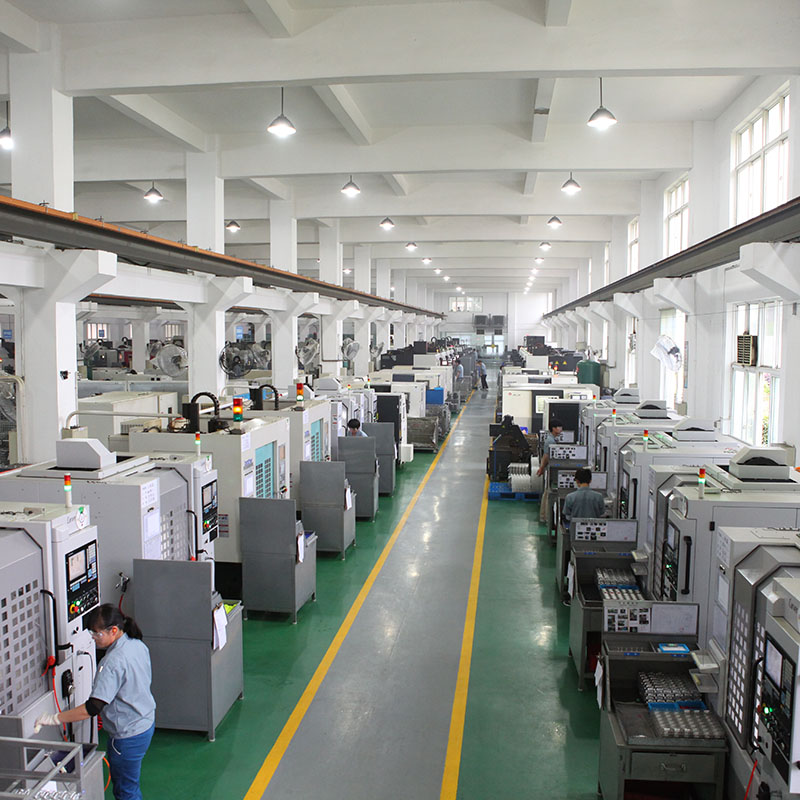
What Is CNC Milling and How Does It Create Precision Parts for Modern Manufacturing?
CNC Milling has become one of the most important precision manufacturing technologies for producing complex metal and plastic components. This article explains what CNC Milling is, how the process works, its advantages, applications, common challenges, and how manufacturers can select the right machining partner. By understanding the complete process, engineers, purchasing managers, and product developers can reduce production risks, improve part quality, and achieve better cost efficiency.
 28 2026-09
How Can Thermoset Injection Molding Meet Your Custom Component Requirements?
When sourcing custom molded components, buyers usually need to confirm more than whether a supplier offers Thermoset Injection Molding. Material selection, part weight, equipment capacity, dimensional requirements, heat resistance, tooling and production consistency all affect whether a molding solution fits the application.
 16 2026-09
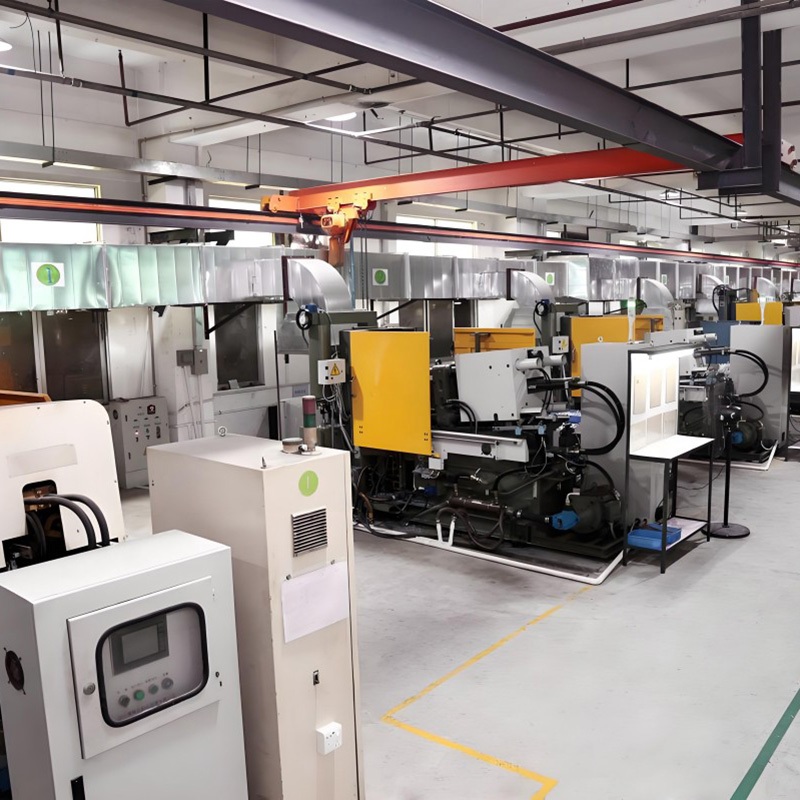
What Is Zamak Die Casting and How Does It Create Precision Metal Parts?
The Zamak family commonly includes Zamak 2, Zamak 3, Zamak 5, and Zamak 7, with each grade offering different combinations of strength, ductility, fluidity, surface quality, and dimensional performance. Because zinc alloys can fill complex molds efficiently and support thin walls, fine details, and attractive surface finishes, Zamak die casting is widely used for hardware, automotive components, electronics, appliances, consumer products, and industrial parts.
 07 2026-09
What Critical Factors Should You Evaluate When Selecting Sand Casting For Metal Component Manufacturing?
Industrial hardware designers and manufacturing partners need to assess multiple technical dimensions before committing to a metal forming workflow. Sand Casting brings unique process capabilities for large‑size and complex‑form metallic parts, yet project suitability depends on geometry constraints, material compatibility, surface finishing expectations and production‑volume realities. This overview walks through practical evaluation criteria that help technical teams align process selection with end‑component functional requirements, covering material behaviour, design boundary conditions, process‑linked tolerances and downstream processing considerations for real‑world industrial deployments.
 07 2026-09
How Does Sand Casting Shape the Backbone of Modern Metal Manufacturing?
Sand Casting remains a cornerstone of metal fabrication, enabling the production of complex components across countless industries. This article outlines the fundamental steps, molding variations, material compatibility, design rules, common defects, and key applications of this versatile process. By understanding its strengths and limitations, engineers can effectively leverage sand casting for reliable, cost-efficient part production.
 27 2026-08
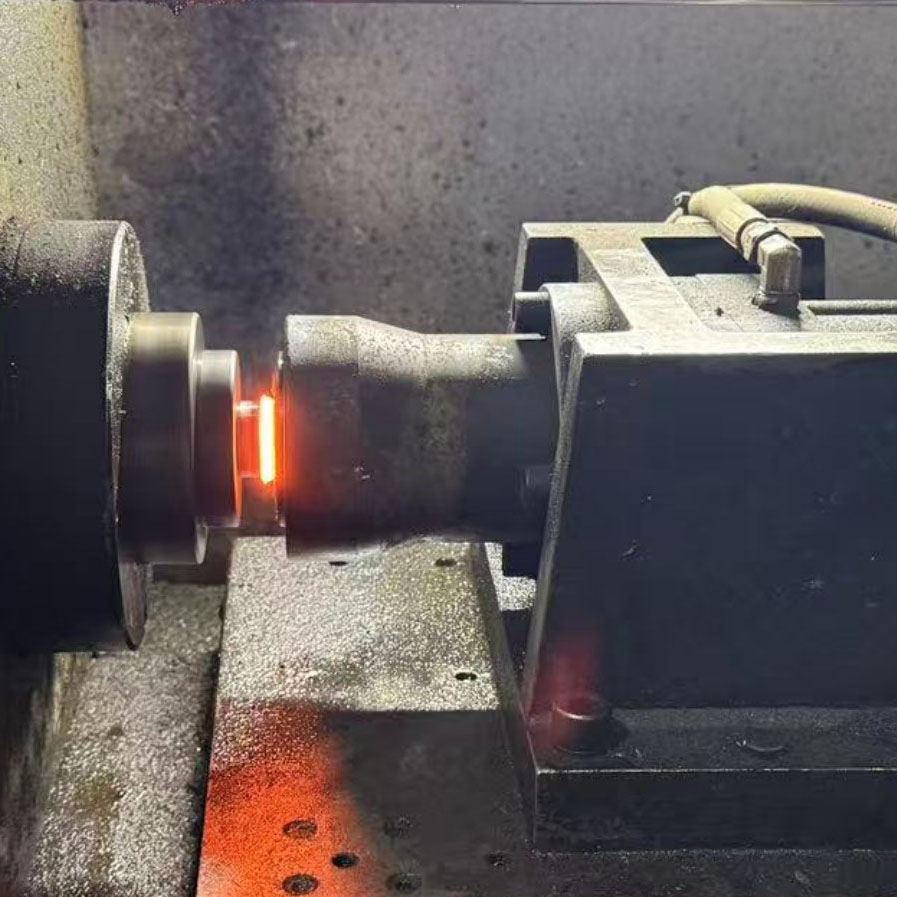
Welding Guide: How to Select Materials, Machines, Filler Metals and Welding Parameters
Welding is a precise and essential manufacturing process widely applied in structural fabrication, equipment maintenance, and industrial production. Standardized pre-weld assessment, parameter setting, operational techniques, and quality control are critical to ensuring stable welding performance, reliable joint strength, and consistent finished quality.