- Home
- About Us
- Our Capabilities
- Quality Control
- Featured Products
- Towing and Trailer parts
- Rail Industry
- Electric and Telecom Components
- Construction Machinery and Forklift Components
- Lighting Components
- Components for building and fire equipments
- Motor Components
- Boat Accessories
- Power Tools Components
- Kitchen Equipment Components
- Steel Cabinets
- Other industry components
- Weight Distribution Kits & Components
- Hitch and Couplers
- Hitch Ball Kits & Components
- Fifth Wheel Components
- others
- News
- Send Inquiry
- Contact Us

What Is a Commutator End Bracket and Why Is It Critical for Motor Performance and Durability
In electric motor systems, every structural component contributes to efficiency, stability, and durability. One often overlooked yet essential part is the Commutator End Bracket. This component plays a vital role in supporting motor shafts, maintaining precise alignment, protecting internal elements, and ensuring smooth commutation. Without a properly designed end bracket, motors may suffer from vibration, overheating, or premature failure.
This comprehensive guide explores the design, functions, materials, manufacturing processes, and applications of commutator end brackets. It also explains how manufacturers like United optimize engineering and production techniques to ensure reliability in modern electrical machinery. Whether you are an engineer, manufacturer, or procurement specialist, understanding the importance of this component can significantly improve motor performance and lifespan.
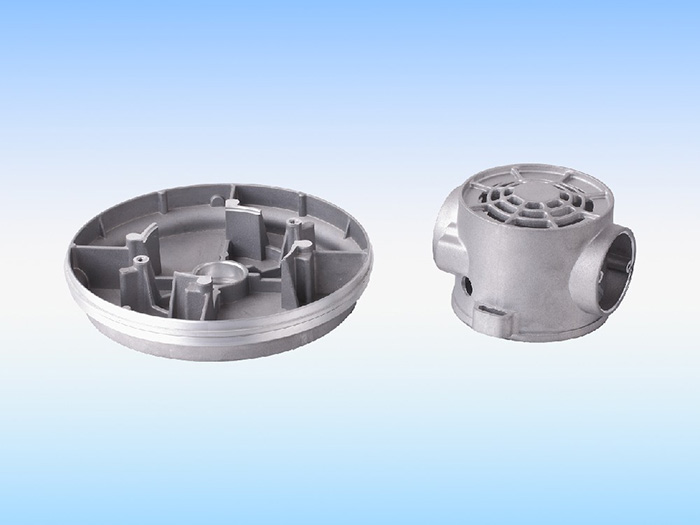
Table of Contents
- 1. What Is a Commutator End Bracket?
- 2. Why Is the Commutator End Bracket Important in Electric Motors?
- 3. Key Components and Structural Design
- 4. Materials Used for Commutator End Brackets
- 5. Manufacturing Processes and Precision Requirements
- 6. Common Applications Across Industries
- 7. Performance Benefits of High-Quality End Brackets
- 8. Maintenance and Durability Considerations
- 9. How to Choose the Right Commutator End Bracket
- 10. Frequently Asked Questions
1. What Is a Commutator End Bracket?
A Commutator End Bracket is a structural component located at the commutator side of an electric motor. It acts as a support housing that holds the bearing and aligns the rotor shaft while also providing protection for internal electrical components.
In many DC motors and certain AC motor designs, the commutator end bracket is responsible for:
- Supporting the rotor shaft
- Holding the bearing assembly
- Maintaining alignment between rotor and stator
- Providing mounting surfaces for brushes or brush holders
- Protecting internal components from external damage
Because of its critical mechanical role, the precision and structural strength of the bracket directly influence the motor's efficiency and service life.
2. Why Is the Commutator End Bracket Important in Electric Motors?
Although relatively small compared to other motor components, the commutator end bracket plays several important roles that affect the overall reliability of the motor system.
Key Functions
- Mechanical Support: Provides rigid support for the rotor shaft and bearings.
- Alignment Stability: Ensures the rotor spins concentrically inside the stator.
- Brush System Integration: Supports brush holders for commutation.
- Protection: Shields sensitive electrical components from contamination.
- Heat Dissipation: Helps manage thermal conditions in the motor.
Without precise alignment and stable support from the end bracket, motors may experience vibration, noise, reduced efficiency, and excessive wear on bearings and brushes.
3. Key Components and Structural Design
A typical commutator end bracket contains several integrated structural features designed to support mechanical and electrical systems.
| Component | Function |
|---|---|
| Bearing Seat | Houses and stabilizes the motor bearing |
| Shaft Opening | Allows the rotor shaft to pass through with precise tolerance |
| Mounting Holes | Used for attaching the bracket to the motor frame |
| Brush Holder Mount | Supports electrical brushes for commutation |
| Ventilation Slots | Allow airflow to reduce heat buildup |
Engineering accuracy in these elements ensures the bracket fits seamlessly with other motor components.
4. Materials Used for Commutator End Brackets
Material selection plays a crucial role in determining durability, thermal performance, and weight of the end bracket.
Common Materials
- Cast aluminum
- Ductile iron
- Steel alloy
- Zinc alloy die casting
- Engineering plastics (for lightweight motors)
Material Comparison
| Material | Advantages | Typical Applications |
|---|---|---|
| Aluminum Alloy | Lightweight, corrosion resistant | Household appliances, automotive motors |
| Ductile Iron | High strength and durability | Industrial motors |
| Steel | Excellent mechanical stability | Heavy machinery |
| Zinc Alloy | Good casting precision | Small motors and electronics |
Manufacturers such as United carefully select materials depending on the operating environment and motor design requirements.
5. Manufacturing Processes and Precision Requirements
Producing high-quality commutator end brackets requires advanced manufacturing processes to ensure dimensional accuracy and structural strength.
Typical Manufacturing Steps
- Material preparation
- Die casting or forging
- CNC machining
- Surface treatment
- Quality inspection
- Assembly testing
Precision machining is especially important because even small dimensional errors may cause shaft misalignment or bearing failure.
Surface Treatments
- Anodizing
- Powder coating
- Electroplating
- Anti-corrosion coating
These treatments enhance corrosion resistance and extend the operational life of the component.
6. Common Applications Across Industries
Commutator end brackets are widely used in numerous industries where electric motors are essential.
Main Application Areas
- Automotive starter motors
- Industrial automation equipment
- Power tools
- Household appliances
- Electric pumps
- HVAC systems
The structural design may vary depending on the motor size, load requirements, and environmental conditions.
7. Performance Benefits of High-Quality End Brackets
Using a high-precision commutator end bracket significantly improves the performance and lifespan of electric motors.
Major Benefits
- Reduced vibration and noise
- Improved bearing lifespan
- Better rotor alignment
- Enhanced heat dissipation
- Greater operational reliability
High-quality brackets produced by companies like United undergo strict quality testing to ensure they meet international manufacturing standards.
8. Maintenance and Durability Considerations
Although commutator end brackets are designed for long-term use, regular inspection is important to maintain optimal motor performance.
Recommended Maintenance Practices
- Inspect bearing seats for wear
- Check alignment during motor servicing
- Monitor for cracks or deformation
- Clean dust and debris accumulation
- Ensure proper lubrication of bearings
Preventive maintenance can significantly reduce unexpected motor failures and costly downtime.
9. How to Choose the Right Commutator End Bracket
Selecting the appropriate end bracket requires evaluating several engineering factors.
Key Selection Criteria
- Motor type and size
- Operating load and speed
- Environmental conditions
- Material requirements
- Precision tolerance standards
When sourcing components, working with an experienced manufacturer such as United ensures consistent quality, customized engineering support, and reliable production capacity.
10. Frequently Asked Questions
1. What does a commutator end bracket do?
It supports the rotor shaft and bearing at the commutator side of the motor while maintaining alignment and protecting internal components.
2. What materials are commonly used for end brackets?
Common materials include aluminum alloys, steel, ductile iron, and zinc alloy depending on motor size and performance requirements.
3. Why is precision machining important?
Accurate machining ensures proper shaft alignment and bearing stability, which directly affects motor efficiency and longevity.
4. Can end brackets be customized?
Yes. Many manufacturers offer customized designs to meet specific motor configurations, mounting requirements, and environmental conditions.
5. How long does a commutator end bracket last?
With proper design and maintenance, end brackets can last for the entire lifespan of the motor.
Conclusion
The Commutator End Bracket may appear to be a simple mechanical component, but it plays a fundamental role in ensuring the reliability and efficiency of electric motors. From providing structural support and maintaining alignment to protecting internal electrical components, its importance cannot be overstated.
Advancements in manufacturing technology and material science have made modern end brackets stronger, lighter, and more precise than ever before. Leading manufacturers such as United continue to innovate in design and production processes to meet the increasing demands of industrial automation, automotive engineering, and electrical equipment manufacturing.
If you are looking for reliable motor components or need customized solutions for your application, working with an experienced engineering partner can make all the difference in product performance and durability.
For professional support, product details, or customized manufacturing solutions, contact us today to learn how we can help power your next project.
Related News
- What Is CNC Milling and How Does It Create Precision Parts for Modern Manufacturing?
- How Can Thermoset Injection Molding Meet Your Custom Component Requirements?
- What Is Zamak Die Casting and How Does It Create Precision Metal Parts?
- What Critical Factors Should You Evaluate When Selecting Sand Casting For Metal Component Manufacturing?
- How Does Sand Casting Shape the Backbone of Modern Metal Manufacturing?
- Welding Guide: How to Select Materials, Machines, Filler Metals and Welding Parameters
Leave me a message