- Home
- About Us
- Our Capabilities
- Quality Control
- Featured Products
- Towing and Trailer parts
- Rail Industry
- Electric and Telecom Components
- Construction Machinery and Forklift Components
- Lighting Components
- Components for building and fire equipments
- Motor Components
- Boat Accessories
- Power Tools Components
- Kitchen Equipment Components
- Steel Cabinets
- Other industry components
- Weight Distribution Kits & Components
- Hitch and Couplers
- Hitch Ball Kits & Components
- Fifth Wheel Components
- others
- News
- Send Inquiry
- Contact Us

What Is a Rotator Housing and How Does Precision Machining Improve Its Performance in Heavy-Duty Applications
Rotator housing is a critical structural component used in hydraulic rotators for cranes, excavators, forestry equipment, marine lifting systems, and other heavy-duty machinery. It protects internal gears, bearings, and hydraulic motors while ensuring rotational precision under extreme loads.
In this comprehensive guide, we explore what a rotator housing is, how it functions, the materials and manufacturing processes involved, key quality control standards, and how precision CNC machining significantly improves durability, alignment, and overall performance. This article also discusses customization options, surface treatments, tolerances, and industry applications. If you're looking for a reliable rotator housing manufacturer like United, this guide will help you make informed decisions.
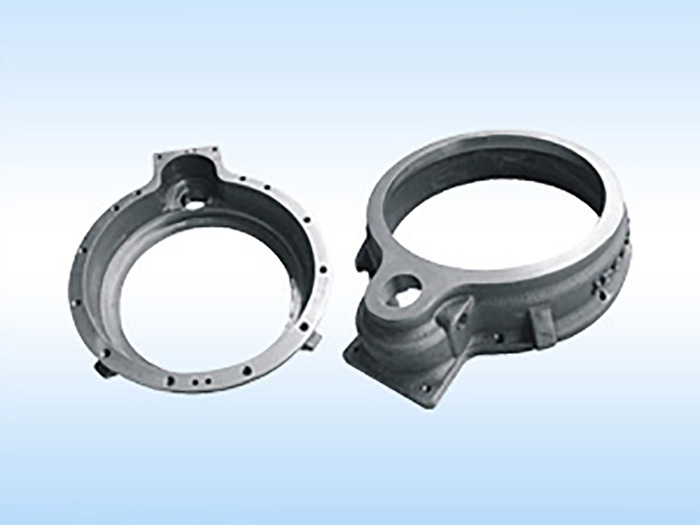
Table of Contents
- 1. What Is a Rotator Housing?
- 2. How Does a Rotator Housing Work?
- 3. What Materials Are Used in Rotator Housing Manufacturing?
- 4. How Does Precision CNC Machining Improve Rotator Housing Performance?
- 5. Where Are Rotator Housings Used?
- 6. What Quality Standards Should a Rotator Housing Meet?
- 7. Can Rotator Housings Be Customized?
- 8. Frequently Asked Questions
1. What Is a Rotator Housing?
A rotator housing is the outer structural casing that encloses and supports the internal rotating mechanism of a hydraulic rotator system. It provides structural integrity, alignment, and protection for components such as:
- Hydraulic motors
- Planetary gear systems
- Bearings and seals
- Output shafts
The housing must withstand radial and axial loads while maintaining dimensional stability. In heavy equipment applications, the rotator housing often bears shock loads, torsional stress, and environmental exposure including dust, water, and temperature extremes.
Because it directly influences alignment and gear meshing accuracy, the quality of the rotator housing determines the efficiency, lifespan, and safety of the entire rotating system.
2. How Does a Rotator Housing Work?
The rotator housing functions as a rigid frame that keeps internal rotating components aligned. When hydraulic pressure activates the motor, rotational energy is transferred through the gearbox to the output shaft. The housing:
- Maintains concentric alignment between input and output shafts
- Absorbs torque-induced stress
- Prevents contamination of internal components
- Ensures seal integrity under pressure
Any misalignment within the housing can cause uneven gear wear, vibration, oil leakage, or premature failure. Therefore, precision machining and tight tolerances are essential.
3. What Materials Are Used in Rotator Housing Manufacturing?
Material selection depends on load requirements, environmental exposure, and weight considerations. Below is a comparison of common materials:
| Material | Advantages | Typical Application |
|---|---|---|
| Ductile Iron | High strength, good vibration damping, cost-effective | Forestry rotators, standard crane systems |
| Alloy Steel | High tensile strength, excellent fatigue resistance | Heavy excavator rotators |
| Carbon Steel | Good machinability, economical | Medium-duty equipment |
| Aluminum Alloy | Lightweight, corrosion-resistant | Light-duty or marine applications |
Surface treatments such as powder coating, phosphating, galvanizing, or precision painting are often applied to enhance corrosion resistance and durability.
4. How Does Precision CNC Machining Improve Rotator Housing Performance?
Precision CNC machining ensures tight tolerances, smooth surface finishes, and exact geometric alignment. Key machining processes include:
- CNC turning for circular alignment
- CNC milling for mounting surfaces
- Boring for bearing seats
- Drilling and tapping for fastener holes
Critical tolerances often fall within ±0.01mm to ±0.03mm for bearing seats and shaft alignment surfaces.
Benefits of precision machining:
- Reduced vibration and noise
- Improved load distribution
- Extended bearing life
- Lower maintenance costs
Manufacturers like United use advanced multi-axis CNC systems and coordinate measuring machines (CMM) to ensure dimensional accuracy and consistent repeatability.
5. Where Are Rotator Housings Used?
Rotator housings are widely used across industries:
- Forestry Equipment: Log handling and timber processing
- Construction Machinery: Excavators and material handlers
- Marine Applications: Deck cranes and lifting systems
- Recycling Industry: Scrap handling rotators
- Mining Operations: Heavy-duty lifting and positioning systems
In each of these environments, reliability and structural integrity are non-negotiable.
6. What Quality Standards Should a Rotator Housing Meet?
A high-quality rotator housing should meet international standards such as:
- ISO 9001 Quality Management Systems
- Material traceability certification
- Non-destructive testing (NDT)
- Dimensional inspection reports
Additional inspections may include:
- Hardness testing
- Surface roughness measurement
- Pressure sealing tests
7. Can Rotator Housings Be Customized?
Yes. Custom rotator housing manufacturing allows OEMs to specify:
- Mounting hole configurations
- Custom bearing seat dimensions
- Weight optimization designs
- Special coatings or finishes
Engineering collaboration ensures compatibility with specific hydraulic motors and gear systems. Customization improves performance while maintaining safety margins.
8. Frequently Asked Questions
Q1: What is the lifespan of a rotator housing?
With proper maintenance and high-quality materials, a rotator housing can last 5–10 years or more depending on usage intensity.
Q2: How do I choose the right rotator housing manufacturer?
Evaluate machining capability, quality control systems, material sourcing, customization flexibility, and industry experience.
Q3: Can damaged rotator housings be repaired?
Minor surface damage can sometimes be repaired, but structural cracks typically require replacement to maintain safety.
Q4: Why is tolerance control so important?
Tight tolerances prevent misalignment, reduce wear, and ensure smooth rotational performance under heavy loads.
Conclusion
A rotator housing is far more than a simple casing—it is the structural backbone of hydraulic rotation systems in heavy-duty machinery. Material selection, precision CNC machining, strict quality control, and customization all play crucial roles in ensuring long-term durability and performance.
If you are searching for a reliable rotator housing supplier, United offers advanced manufacturing capabilities, strict inspection processes, and customized engineering solutions to meet your demanding industrial requirements.
Looking for precision-engineered rotator housing solutions? Contact us today to discuss your project and get a competitive quotation!
Related News
- What Is CNC Milling and How Does It Create Precision Parts for Modern Manufacturing?
- How Can Thermoset Injection Molding Meet Your Custom Component Requirements?
- What Is Zamak Die Casting and How Does It Create Precision Metal Parts?
- What Critical Factors Should You Evaluate When Selecting Sand Casting For Metal Component Manufacturing?
- How Does Sand Casting Shape the Backbone of Modern Metal Manufacturing?
- Welding Guide: How to Select Materials, Machines, Filler Metals and Welding Parameters
Leave me a message