- Home
- About Us
- Our Capabilities
- Quality Control
- Featured Products
- Towing and Trailer parts
- Rail Industry
- Electric and Telecom Components
- Construction Machinery and Forklift Components
- Lighting Components
- Components for building and fire equipments
- Motor Components
- Boat Accessories
- Power Tools Components
- Kitchen Equipment Components
- Steel Cabinets
- Other industry components
- Weight Distribution Kits & Components
- Hitch and Couplers
- Hitch Ball Kits & Components
- Fifth Wheel Components
- others
- News
- Send Inquiry
- Contact Us

What Is a Commutator End Bracket and Why Is It Critical for Electric Motor Performance
Electric motors power countless machines across industries—from household appliances to heavy industrial equipment. Among the many precision components inside a motor, the Commutator End Bracket plays a crucial yet often overlooked role. This component provides structural support, alignment for bearings, and protection for the commutator assembly. Without it, motor performance, stability, and lifespan would be severely compromised.
In this comprehensive guide, we explore the structure, functions, materials, and manufacturing considerations of commutator end brackets. We also examine how high-precision machining and design optimization can significantly improve motor reliability and efficiency. Companies such as United specialize in manufacturing precision mechanical components that meet the strict quality requirements of modern electric motors.
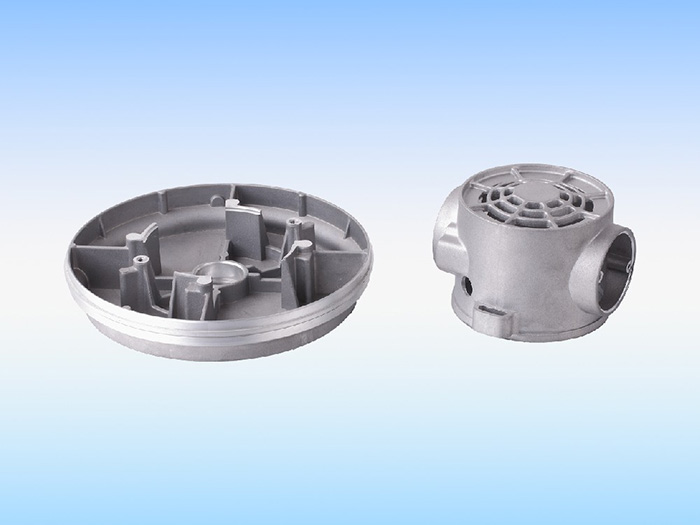
Table of Contents
- 1. What Is a Commutator End Bracket?
- 2. Why Is the Commutator End Bracket Important in Electric Motors?
- 3. Key Structural Features of a Commutator End Bracket
- 4. Materials Used in Commutator End Brackets
- 5. Manufacturing Processes and Precision Machining
- 6. Typical Applications in Electric Motor Systems
- 7. Quality Control and Performance Testing
- 8. Design Considerations for Engineers
- 9. How to Choose a Reliable Manufacturer
- 10. Frequently Asked Questions
1. What Is a Commutator End Bracket?
A Commutator End Bracket is a structural motor component located at the commutator side of a DC electric motor. It acts as a housing that supports bearings, maintains rotor alignment, and protects the commutator assembly.
In many motor designs, the end bracket also holds brush holders and ensures that the brushes maintain consistent contact with the commutator segments. This precise positioning is essential for efficient current transfer.
Main Functions
- Supporting motor bearings
- Maintaining rotor alignment
- Protecting the commutator assembly
- Holding brush holders in place
- Ensuring mechanical stability
2. Why Is the Commutator End Bracket Important in Electric Motors?
Although it may appear to be a simple mechanical housing, the commutator end bracket significantly influences motor efficiency, reliability, and lifespan.
Key Performance Contributions
- Alignment Accuracy – Proper alignment reduces friction and vibration.
- Bearing Support – Ensures stable rotation of the rotor shaft.
- Heat Dissipation – Some designs incorporate ventilation structures.
- Structural Integrity – Protects sensitive electrical components.
Manufacturers like United emphasize high machining precision and strict dimensional control to ensure optimal motor operation in demanding industrial environments.
3. Key Structural Features of a Commutator End Bracket
The structure of a commutator end bracket must balance strength, precision, and manufacturability. Typical design features include multiple functional sections.
Common Structural Elements
- Bearing housing
- Mounting flange
- Brush holder mounting holes
- Cooling vents
- Rotor shaft clearance
Typical Dimensional Requirements
| Feature | Function | Typical Tolerance |
|---|---|---|
| Bearing seat | Supports rotor bearing | ±0.01 mm |
| Mounting flange | Connects bracket to motor housing | ±0.05 mm |
| Brush holder holes | Mounts carbon brush assembly | ±0.02 mm |
| Ventilation openings | Improves airflow and cooling | General tolerance |
4. Materials Used in Commutator End Brackets
Material selection directly affects durability, heat resistance, and mechanical strength. The most commonly used materials include cast metals and engineered alloys.
Common Material Options
| Material | Advantages | Applications |
|---|---|---|
| Aluminum Alloy | Lightweight, good thermal conductivity | Small motors, household appliances |
| Cast Iron | High strength and vibration resistance | Industrial motors |
| Steel | High durability and load capacity | Heavy machinery |
| Zinc Alloy | Excellent casting properties | Compact motor assemblies |
Advanced manufacturers such as United carefully select materials depending on motor load, operating temperature, and mechanical stress requirements.
5. Manufacturing Processes and Precision Machining
Producing a high-quality commutator end bracket requires multiple manufacturing stages and strict quality control. Precision machining is essential to maintain alignment and bearing fit.
Main Manufacturing Steps
- Raw material casting or forging
- Rough machining
- CNC precision machining
- Surface finishing
- Dimensional inspection
Common Machining Techniques
- CNC turning
- CNC milling
- Drilling and tapping
- Grinding
- Anodizing or coating
Companies like United rely on advanced CNC machining centers to achieve the tight tolerances required for motor components.
6. Typical Applications in Electric Motor Systems
Commutator end brackets are widely used in motors across various industries. Their design may vary depending on the application environment and performance requirements.
Major Application Fields
- Industrial electric motors
- Automotive starter motors
- Power tools
- Household appliances
- Pump and compressor systems
- HVAC equipment
Each application requires specific structural designs to ensure long-term reliability and stable operation.
7. Quality Control and Performance Testing
Precision components such as commutator end brackets must undergo strict inspection procedures before they are integrated into motor assemblies.
Common Quality Tests
- Dimensional measurement using CMM
- Surface roughness testing
- Hardness testing
- Material composition analysis
- Assembly compatibility verification
High-end manufacturers including United implement comprehensive quality management systems to guarantee consistent product performance.
8. Design Considerations for Engineers
Engineers must carefully evaluate several design factors when developing a commutator end bracket to ensure optimal motor performance.
Important Design Factors
- Bearing load capacity
- Heat dissipation efficiency
- Structural strength
- Ease of assembly
- Cost-effective manufacturing
Advanced CAD and simulation tools allow engineers to optimize bracket geometry and improve structural durability.
9. How to Choose a Reliable Manufacturer
Selecting a reliable supplier is essential when sourcing precision motor components.
Evaluation Criteria
- Manufacturing experience
- Precision machining capability
- Quality certification standards
- Engineering support
- Customization capability
Manufacturers like United offer advanced machining expertise and custom production services that help meet complex industrial requirements.
10. Frequently Asked Questions
What does a commutator end bracket do?
It supports the bearing on the commutator side of the motor and maintains proper rotor alignment while protecting internal electrical components.
Which motors use commutator end brackets?
They are mainly used in DC motors, universal motors, and certain industrial motor designs that include commutators and brush systems.
What materials are commonly used?
Aluminum alloys, cast iron, steel, and zinc alloys are the most common materials due to their strength and machinability.
Why is machining precision important?
Even small dimensional deviations can cause rotor misalignment, increased vibration, and premature bearing failure.
Can commutator end brackets be customized?
Yes. Many manufacturers provide custom designs tailored to specific motor sizes, load conditions, and mounting configurations.
Conclusion
The Commutator End Bracket is a vital structural component that ensures stability, alignment, and durability in electric motor systems. From supporting bearings to protecting sensitive electrical components, its role is fundamental to reliable motor performance.
With increasing demand for efficient and durable motors across industries, precision manufacturing and advanced engineering have become essential. Experienced manufacturers such as United provide high-quality machining solutions and customized components that meet the stringent requirements of modern electric motor applications.
If you are searching for reliable motor components or precision machining services for commutator end brackets, professional engineering support can help you achieve better performance, longer equipment life, and improved operational efficiency.
Need Professional Manufacturing Support?
Looking for precision-machined motor components or customized mechanical parts for your project? Our engineering team can help you develop high-quality solutions tailored to your needs. Contact us today to discuss your requirements and discover how expert manufacturing can improve your equipment performance.
Related News
- What Is CNC Milling and How Does It Create Precision Parts for Modern Manufacturing?
- How Can Thermoset Injection Molding Meet Your Custom Component Requirements?
- What Is Zamak Die Casting and How Does It Create Precision Metal Parts?
- What Critical Factors Should You Evaluate When Selecting Sand Casting For Metal Component Manufacturing?
- How Does Sand Casting Shape the Backbone of Modern Metal Manufacturing?
- Welding Guide: How to Select Materials, Machines, Filler Metals and Welding Parameters
Leave me a message