- Home
- About Us
- Our Capabilities
- Quality Control
- Featured Products
- Towing and Trailer parts
- Rail Industry
- Electric and Telecom Components
- Construction Machinery and Forklift Components
- Lighting Components
- Components for building and fire equipments
- Motor Components
- Boat Accessories
- Power Tools Components
- Kitchen Equipment Components
- Steel Cabinets
- Other industry components
- Weight Distribution Kits & Components
- Hitch and Couplers
- Hitch Ball Kits & Components
- Fifth Wheel Components
- others
- News
- Send Inquiry
- Contact Us

What Is a Cross Arm Steel Plate and Why Is It Essential in Power Transmission
A Cross Arm Steel Plate is a critical structural component used in power transmission and distribution systems. It plays a key role in reinforcing cross arms, supporting insulators, and ensuring long-term mechanical stability of utility poles and transmission towers. This article provides a comprehensive overview of what a cross arm steel plate is, how it works, its materials, manufacturing process, applications, and how to select the right solution for modern electrical infrastructure.

Table of Contents
- 1. What Is a Cross Arm Steel Plate?
- 2. Why Is a Cross Arm Steel Plate Essential in Power Transmission?
- 3. Structural Design and Key Functions
- 4. Materials and Surface Treatments
- 5. Manufacturing Process and Quality Control
- 6. Common Applications in Power Infrastructure
- 7. Industry Standards and Technical Specifications
- 8. How to Choose the Right Cross Arm Steel Plate
- 9. Benefits of High-Quality Cross Arm Steel Plates
- 10. Frequently Asked Questions (FAQ)
1. What Is a Cross Arm Steel Plate?
A Cross Arm Steel Plate is a specially fabricated steel component installed at the joint between a utility pole or transmission tower and its cross arm. Its primary purpose is to enhance load-bearing capacity, distribute mechanical stress, and provide a secure mounting surface for insulators and hardware.
Unlike wooden or composite reinforcements, steel plates offer superior strength, durability, and resistance to environmental degradation. They are commonly used in high-voltage and medium-voltage power line systems worldwide.
2. Why Is a Cross Arm Steel Plate Essential in Power Transmission?
Power transmission systems operate under constant mechanical and environmental stress. Wind loads, conductor tension, ice accumulation, and seismic activity all place heavy demands on cross arms.
A cross arm steel plate ensures:
- Improved structural integrity of the cross arm assembly
- Even distribution of vertical and horizontal loads
- Reduced risk of deformation or failure
- Extended service life of poles and towers
Without properly designed steel plates, cross arms are more susceptible to cracking, loosening, or catastrophic failure.
3. Structural Design and Key Functions
The design of a cross arm steel plate varies depending on voltage level, pole type, and regional standards. However, most designs share common functional elements.
| Design Feature | Function |
|---|---|
| Pre-drilled bolt holes | Ensure precise alignment and fast installation |
| Reinforced edges | Increase resistance to bending and shear forces |
| Flat or contoured profile | Match different cross arm geometries |
| Protective coating | Prevent corrosion in harsh environments |
4. Materials and Surface Treatments
Material selection directly impacts the performance and lifespan of a cross arm steel plate.
Common Materials
- Carbon steel (Q235, Q345)
- Structural steel (ASTM A36)
- High-strength low-alloy steel
Surface Treatments
To protect against corrosion, especially in coastal or industrial areas, the following treatments are widely used:
- Hot-dip galvanizing
- Electro-galvanizing
- Powder coating
- Anti-corrosion paint systems
Hot-dip galvanized cross arm steel plates are particularly popular due to their long-term corrosion resistance and minimal maintenance requirements.
5. Manufacturing Process and Quality Control
The manufacturing of a cross arm steel plate involves several precision-controlled steps:
- Raw material cutting
- Stamping or CNC punching
- Bending and forming
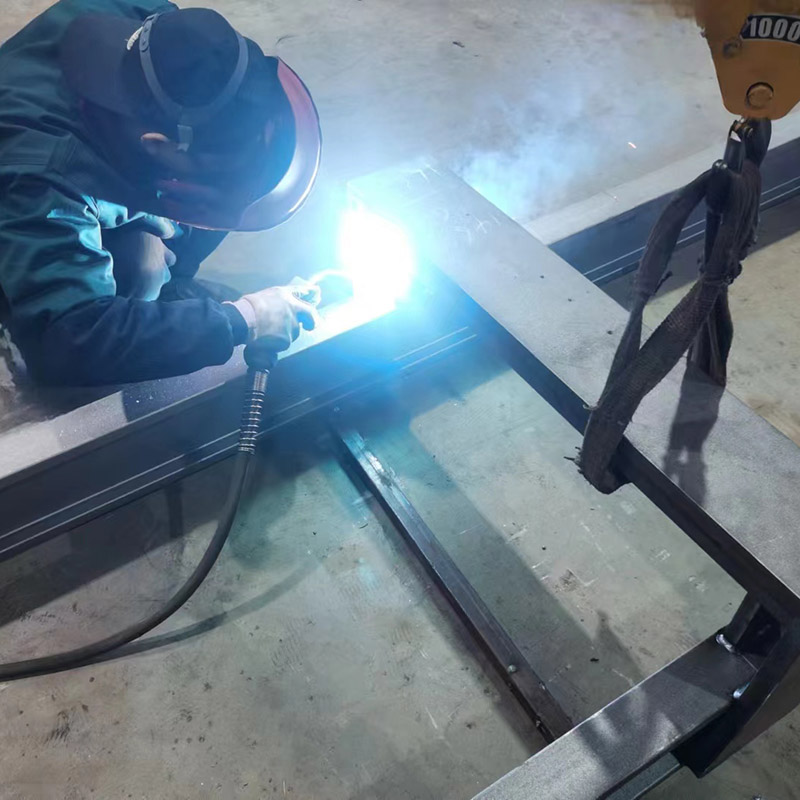
- Welding (if required)
- Surface treatment
- Final inspection and testing
Manufacturers like United emphasize strict quality control to ensure dimensional accuracy, coating thickness, and mechanical strength meet international requirements.
6. Common Applications in Power Infrastructure
Cross arm steel plates are used across a wide range of electrical infrastructure projects:
- Overhead transmission lines
- Distribution networks
- Substation structures
- Utility poles (steel, concrete, or wood)
- Telecommunication support systems
They are especially critical in high-load or long-span installations where safety margins must be maximized.
7. Industry Standards and Technical Specifications
To ensure compatibility and safety, cross arm steel plates are typically manufactured in compliance with recognized standards:
| Standard | Region | Description |
|---|---|---|
| ASTM A36 | USA | Structural steel specification |
| ISO 1461 | International | Hot-dip galvanizing requirements |
| GB/T 700 | China | Carbon structural steel |
8. How to Choose the Right Cross Arm Steel Plate
When selecting a cross arm steel plate, consider the following factors:
- Voltage level and load requirements
- Environmental conditions
- Pole or tower material
- Required standards and certifications
- Customization options
For complex projects, customized solutions from experienced manufacturers can significantly improve installation efficiency and system reliability.
9. Benefits of High-Quality Cross Arm Steel Plates
Investing in high-quality cross arm steel plates delivers long-term value:
- Enhanced safety and reliability
- Lower maintenance costs
- Extended service life
- Improved resistance to extreme weather
- Compliance with international standards
10. Frequently Asked Questions (FAQ)
Q1: What is the main function of a cross arm steel plate?
Its main function is to reinforce cross arms, distribute mechanical loads, and provide a secure mounting interface for insulators and fittings.
Q2: Are cross arm steel plates customizable?
Yes. Many manufacturers, including United, offer customized dimensions, hole patterns, and coatings to match specific project requirements.
Q3: How long does a galvanized cross arm steel plate last?
In normal environments, hot-dip galvanized plates can last 20–40 years or longer with minimal maintenance.
Q4: Can cross arm steel plates be used on wooden poles?
Absolutely. They are commonly used to reinforce wooden cross arms and improve load-bearing capacity.
Choosing the right Cross Arm Steel Plate is essential for building safe, durable, and efficient power transmission systems. With proven engineering expertise, strict quality control, and customization capabilities, United provides reliable solutions for global utility and infrastructure projects.
If you are looking for high-performance cross arm steel plates tailored to your application, contact us today to discuss your project requirements and get expert support.
Related News
- What Is CNC Milling and How Does It Create Precision Parts for Modern Manufacturing?
- How Can Thermoset Injection Molding Meet Your Custom Component Requirements?
- What Is Zamak Die Casting and How Does It Create Precision Metal Parts?
- What Critical Factors Should You Evaluate When Selecting Sand Casting For Metal Component Manufacturing?
- How Does Sand Casting Shape the Backbone of Modern Metal Manufacturing?
- Welding Guide: How to Select Materials, Machines, Filler Metals and Welding Parameters
Leave me a message