- Home
- About Us
- Our Capabilities
- Quality Control
- Featured Products
- Towing and Trailer parts
- Rail Industry
- Electric and Telecom Components
- Construction Machinery and Forklift Components
- Lighting Components
- Components for building and fire equipments
- Motor Components
- Boat Accessories
- Power Tools Components
- Kitchen Equipment Components
- Steel Cabinets
- Other industry components
- Weight Distribution Kits & Components
- Hitch and Couplers
- Hitch Ball Kits & Components
- Fifth Wheel Components
- others
- News
- Send Inquiry
- Contact Us

How Can a Retaining Bracket Improve Mechanical Stability and Precision in Modern Manufacturing
A retaining bracket is a critical mechanical component designed to secure, position, and support parts within various industrial assemblies. With increasing demands for precision and durability, manufacturers require reliable retaining solutions that ensure stable performance under continuous operation. This article explores the structure, manufacturing process, applications, advantages, and selection considerations of retaining brackets while explaining why precision machining plays an important role in achieving consistent quality.
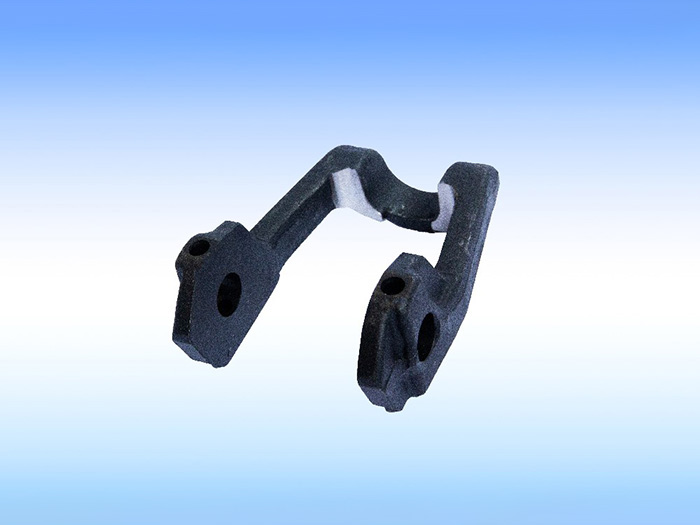
Table of Contents
- What Is a Retaining Bracket and Why Is It Important?
- Key Features and Advantages of a High-Quality Retaining Bracket
- How Is a Retaining Bracket Manufactured?
- Where Are Retaining Brackets Commonly Used?
- How to Choose the Right Retaining Bracket?
- Retaining Bracket Performance Comparison
- Frequently Asked Questions About Retaining Brackets
- Conclusion
What Is a Retaining Bracket and Why Is It Important?
United specializes in precision mechanical components and provides reliable manufacturing solutions for industrial applications. The Retaining Bracket is one of the important structural parts produced through advanced machining processes to ensure accurate positioning, secure fastening, and long-term operational stability.
A retaining bracket is a mechanical fixing component used to hold, support, or restrict the movement of other parts inside equipment systems. Although its structure may appear simple, its performance directly affects the reliability and safety of the entire assembly. In precision industries, even minor dimensional deviations can influence alignment, vibration resistance, and equipment lifespan.
Modern retaining brackets are widely designed according to specific application requirements, including different shapes, mounting methods, materials, and surface treatments. They are commonly manufactured using high-strength metals such as stainless steel, carbon steel, and aluminum alloys to provide excellent durability and mechanical strength.
The increasing demand for customized mechanical components has made precision manufacturing an essential factor. Professional manufacturers focus on strict quality control, accurate machining, and detailed inspection processes to ensure every retaining bracket meets industrial standards.
Key Features and Advantages of a High-Quality Retaining Bracket
A well-designed retaining bracket provides multiple benefits for mechanical systems. The following features make it an essential component in many industrial applications:
- Stable Fixation: Retaining brackets securely hold components in predetermined positions, reducing unwanted movement during operation.
- High Mechanical Strength: Premium materials provide resistance against pressure, vibration, and external impact.
- Precision Dimensions: Accurate machining ensures proper installation compatibility and improves overall equipment performance.
- Excellent Durability: Surface treatment technologies help prevent corrosion, wear, and environmental damage.
- Flexible Customization: Different designs can be developed according to customer drawings, specifications, and application requirements.
For industrial buyers searching for a reliable supplier, choosing a manufacturer with strong machining capability helps ensure consistent product quality and stable delivery performance.
How Is a Retaining Bracket Manufactured?
The manufacturing process of a retaining bracket involves multiple precision procedures. A professional production workflow ensures the final component achieves the required mechanical properties and dimensional accuracy.
| Manufacturing Process | Description | Quality Impact |
|---|---|---|
| Material Selection | Select suitable metal materials according to strength, environment, and application requirements. | Improves durability and service life. |
| CNC Machining | Uses advanced machining equipment to achieve precise dimensions and complex structures. | Ensures accurate assembly and stable performance. |
| Surface Treatment | Applies processes such as polishing, coating, or anti-corrosion treatment. | Enhances corrosion resistance and appearance quality. |
| Quality Inspection | Checks dimensions, structure, and mechanical performance before delivery. | Guarantees product reliability. |
Advanced inspection equipment and experienced technicians help manufacturers maintain consistent quality throughout mass production. This is especially important for customers requiring customized retaining brackets for specialized machinery.
Where Are Retaining Brackets Commonly Used?
Retaining brackets are widely used in industries where component positioning and structural stability are essential. Typical applications include:
- Automotive Industry: Used for supporting and securing vehicle components, ensuring reliable operation under vibration conditions.
- Industrial Equipment: Applied in machinery assemblies to maintain accurate positioning of internal components.
- Automation Systems: Helps secure sensors, actuators, and precision parts in automated production lines.
- Electrical Equipment: Provides stable mounting solutions for various internal structures.
- Mechanical Engineering Projects: Used as customized fastening components for specialized equipment.
Due to its versatility, the retaining bracket has become an indispensable component in many engineering fields requiring reliable mechanical support.
How to Choose the Right Retaining Bracket?
Selecting the correct retaining bracket requires consideration of several important factors. The wrong choice may lead to installation problems, reduced performance, or premature failure.
- Material Requirements: Select materials according to working environment, temperature, corrosion exposure, and load conditions.
- Dimensional Accuracy: Confirm required measurements, mounting holes, and connection methods.
- Load Capacity: Evaluate the mechanical forces the bracket needs to withstand during operation.
- Production Capability: Work with experienced manufacturers capable of handling precision machining and customized designs.
- Quality Assurance: Choose suppliers with strict inspection procedures and reliable manufacturing systems.
For international buyers looking for a China retaining bracket supplier, evaluating production experience, machining technology, and quality control processes is essential before placing orders.
Retaining Bracket Performance Comparison
| Feature | Standard Bracket | Precision Retaining Bracket |
|---|---|---|
| Dimensional Accuracy | General tolerance control | High precision machining capability |
| Material Options | Limited material choices | Multiple metal solutions available |
| Customization | Basic designs | Customized according to drawings and requirements |
| Application Range | Common mechanical fixing | Precision equipment and industrial systems |
Frequently Asked Questions About Retaining Brackets
What is the main function of a retaining bracket?
A retaining bracket is mainly used to secure, support, and position mechanical components. It helps prevent unwanted movement and improves system stability during operation.
What materials are commonly used for retaining brackets?
Common materials include stainless steel, carbon steel, aluminum alloy, and other engineering metals. The suitable material depends on strength requirements, working conditions, and environmental factors.
Can retaining brackets be customized?
Yes. Many manufacturers provide customized retaining brackets based on customer drawings, dimensions, material requirements, and application conditions.
How can I ensure the quality of a retaining bracket supplier?
Customers should evaluate manufacturing experience, machining capabilities, inspection processes, production equipment, and previous industrial applications before selecting a supplier.
Conclusion
A retaining bracket may be a small mechanical component, but it plays a significant role in maintaining structural stability, improving equipment reliability, and extending service life. With precision machining technology, strict quality control, and customized manufacturing capabilities, high-quality retaining brackets can meet the requirements of various industries, from automotive systems to industrial automation.
If you are searching for a reliable retaining bracket manufacturer with professional production experience and customized solutions, United can provide high-quality mechanical components designed for your specific applications. Contact us today to discuss your project requirements and receive a suitable manufacturing solution.
Related News
- What Is CNC Milling and How Does It Create Precision Parts for Modern Manufacturing?
- How Can Thermoset Injection Molding Meet Your Custom Component Requirements?
- What Is Zamak Die Casting and How Does It Create Precision Metal Parts?
- What Critical Factors Should You Evaluate When Selecting Sand Casting For Metal Component Manufacturing?
- How Does Sand Casting Shape the Backbone of Modern Metal Manufacturing?
- Welding Guide: How to Select Materials, Machines, Filler Metals and Welding Parameters
Leave me a message