- Home
- About Us
- Our Capabilities
- Quality Control
- Featured Products
- Towing and Trailer parts
- Rail Industry
- Electric and Telecom Components
- Construction Machinery and Forklift Components
- Lighting Components
- Components for building and fire equipments
- Motor Components
- Boat Accessories
- Power Tools Components
- Kitchen Equipment Components
- Steel Cabinets
- Other industry components
- Weight Distribution Kits & Components
- Hitch and Couplers
- Hitch Ball Kits & Components
- Fifth Wheel Components
- others
- News
- Send Inquiry
- Contact Us

Why Is Shielded Metal Arc Welding (SMAW) Still One of the Most Reliable Welding Methods Today
When industries require a dependable welding solution for construction, maintenance, and heavy fabrication, United provides professional welding equipment solutions featuring advanced Shielded Metal Arc Welding (SMAW) technology. Known for its simplicity, flexibility, and strong weld performance, SMAW remains one of the most widely applied arc welding processes in the world, especially in environments where durability and adaptability are critical.
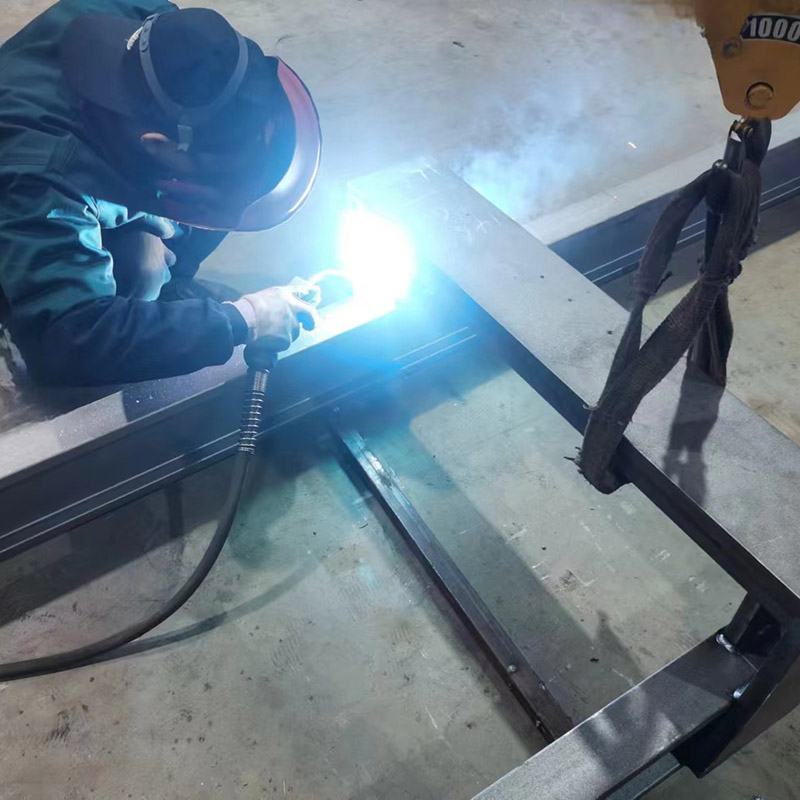
Table of Contents
- What Is Shielded Metal Arc Welding (SMAW)?
- How Does SMAW Welding Work?
- What Are the Main Advantages of SMAW?
- Where Is Shielded Metal Arc Welding Used?
- What Equipment Is Required for SMAW?
- SMAW Compared with Other Welding Methods
- How to Choose the Right SMAW Welding Solution?
- Frequently Asked Questions About SMAW
What Is Shielded Metal Arc Welding (SMAW)?
Shielded Metal Arc Welding (SMAW) is a manual arc welding process that joins metals through the heat generated by an electric arc between a consumable electrode and the workpiece. The electrode contains a flux coating that melts during welding and forms a protective gas shield and slag layer, preventing atmospheric contamination of the molten weld pool.
Unlike automated welding systems, SMAW does not require complex machinery or external shielding gas supplies. This makes it highly suitable for outdoor operations, remote locations, and repair applications where mobility and operational flexibility are essential.
The basic SMAW welding process includes several important components:
- Power source that provides stable welding current
- Flux-coated consumable electrode
- Electrode holder and welding cables
- Ground clamp for electrical connection
- Protective welding equipment for operator safety
How Does SMAW Welding Work?
The operating principle of SMAW is based on controlled electrical arc generation. When the coated electrode contacts the metal surface, an arc is created between the electrode and the workpiece. The intense heat produced by the arc melts both the electrode core and base metal, forming a molten weld pool.
During this process, the flux coating burns and creates shielding gases that isolate the weld area from oxygen and nitrogen in the atmosphere. After cooling, the remaining slag layer protects the weld bead and can be removed to inspect the final weld quality.
| SMAW Welding Stage | Main Function | Quality Impact |
|---|---|---|
| Arc Generation | Creates high-temperature heat between electrode and workpiece | Determines melting efficiency |
| Electrode Melting | Adds filler metal into the joint area | Affects weld strength and structure |
| Flux Decomposition | Produces shielding gas and slag protection | Reduces oxidation and contamination |
| Cooling Process | Forms final weld bead | Influences durability and appearance |
What Are the Main Advantages of SMAW?
Despite the development of advanced welding technologies, SMAW continues to be preferred by many professionals because of its reliability and practical advantages. It offers excellent performance in demanding working environments where other welding methods may face limitations.
1. Excellent Outdoor Welding Capability
One of the biggest advantages of Shielded Metal Arc Welding is its ability to operate effectively in outdoor conditions. Since SMAW does not rely on external shielding gases, wind and environmental factors have less influence compared with gas-shielded welding methods.
2. Simple Equipment Requirements
SMAW systems are relatively simple and cost-effective. The equipment structure is easy to maintain, making it an ideal choice for small workshops, field maintenance teams, and industrial repair operations.
3. Strong Welding Performance
With appropriate electrode selection and welding parameters, SMAW can produce high-quality welds with excellent penetration and mechanical strength. It is suitable for welding carbon steel, stainless steel, cast iron, and various alloy materials.
4. High Adaptability
SMAW can be performed in different welding positions, including flat, horizontal, vertical, and overhead positions. This flexibility allows operators to complete complex welding tasks in challenging environments.
Where Is Shielded Metal Arc Welding Used?
SMAW has become an essential welding technology across many industries because of its versatility and reliability. Common applications include:
- Construction Industry: Used for structural steel welding, building frameworks, and infrastructure projects.
- Shipbuilding: Applied for marine structure fabrication and repair welding.
- Pipeline Engineering: Suitable for pipeline installation and maintenance in remote areas.
- Manufacturing: Used for equipment fabrication and industrial machinery repair.
- Energy Sector: Applied in power plants, oil, and gas facilities.
| Industry | SMAW Application | Key Benefit |
|---|---|---|
| Construction | Steel structure welding | Reliable joints under heavy loads |
| Marine | Ship repair and fabrication | Excellent outdoor adaptability |
| Pipeline | Field welding operations | Suitable for remote environments |
| Manufacturing | Machine repair and fabrication | Flexible operation and maintenance |
What Equipment Is Required for SMAW?
A complete Shielded Metal Arc Welding (SMAW) system consists of several essential components that work together to ensure stable arc performance and high-quality weld results. Although SMAW equipment is relatively simple compared with automated welding systems, selecting reliable components is important for improving efficiency, safety, and welding consistency.
| Equipment Component | Function | Selection Consideration |
|---|---|---|
| Welding Power Source | Provides continuous electrical energy for arc generation | Choose suitable current output according to material thickness |
| Electrode Holder | Secures and transfers current to the electrode | Should provide stable connection and heat resistance |
| Welding Electrode | Provides filler metal and shielding protection | Select based on base material and welding position |
| Ground Clamp | Completes the electrical circuit | Requires strong contact and durability |
| Safety Equipment | Protects operators during welding operations | Includes welding helmet, gloves, and protective clothing |
For industrial users, choosing a professional SMAW welding solution supplier can help ensure equipment reliability, welding accuracy, and long-term operational stability. A suitable system should match production requirements, material characteristics, and working conditions.
SMAW Compared with Other Welding Methods
Although various modern welding technologies have been developed, SMAW continues to compete with processes such as Gas Metal Arc Welding (GMAW/MIG) and Gas Tungsten Arc Welding (GTAW/TIG). Each method has different advantages depending on application requirements.
| Welding Method | Main Characteristics | Advantages | Typical Applications |
|---|---|---|---|
| Shielded Metal Arc Welding (SMAW) | Uses flux-coated electrodes without external gas | Portable, flexible, suitable for outdoor work | Construction, repair, pipeline projects |
| Gas Metal Arc Welding (GMAW/MIG) | Uses continuous wire electrode and shielding gas | High productivity and automation capability | Automotive manufacturing and factory production |
| Gas Tungsten Arc Welding (GTAW/TIG) | Uses tungsten electrode with shielding gas | Excellent precision and weld appearance | Aerospace, stainless steel fabrication |
Compared with other welding technologies, SMAW provides unmatched flexibility in difficult environments. While MIG and TIG welding may offer higher automation levels, SMAW remains an excellent choice for applications requiring portability, reliability, and low operating complexity.
How to Choose the Right SMAW Welding Solution?
Selecting the correct SMAW welding solution requires careful consideration of material type, production environment, welding requirements, and operational expectations. Professional buyers should evaluate several important factors before making a purchasing decision.
- Material Compatibility: Different metals require specific electrode types and welding parameters to achieve strong joints.
- Power Requirements: Welding machines should provide suitable current ranges for different thicknesses and applications.
- Operating Environment: Outdoor construction and field repair projects require equipment with strong durability and adaptability.
- Welding Efficiency: Production users should consider welding speed, electrode consumption, and maintenance costs.
- Supplier Experience: Cooperation with an experienced manufacturer can ensure technical support, product quality, and after-sales service.
When sourcing welding equipment from a China manufacturer or professional welding supplier, customers should focus not only on equipment price but also on product reliability, manufacturing standards, and long-term service capability.
What Is the Future Development Trend of SMAW Technology?
Although SMAW is considered a traditional welding process, continuous improvements in electrode materials, power control technology, and welding equipment design are helping this method maintain its importance in modern manufacturing.
Future SMAW development will focus on:
- Higher energy efficiency through advanced inverter welding power sources
- Improved electrode performance for specialized materials
- Better welding control for higher consistency
- Integration with digital monitoring systems
- Enhanced operator safety and ergonomic design
These improvements allow SMAW to remain competitive while meeting the changing requirements of industrial welding applications.
Frequently Asked Questions About Shielded Metal Arc Welding (SMAW)
1. What does Shielded Metal Arc Welding (SMAW) mean?
Shielded Metal Arc Welding (SMAW) is a welding process that uses a flux-coated consumable electrode to create an electric arc between the electrode and the workpiece. The flux coating generates shielding gas and slag to protect the weld area from contamination.
2. Why is SMAW still widely used today?
SMAW remains popular because it is simple, portable, cost-effective, and suitable for challenging environments. It can be used without external shielding gas, making it especially useful for outdoor construction, repair work, and remote welding operations.
3. What materials can be welded with SMAW?
SMAW can weld various metals, including carbon steel, stainless steel, alloy steel, and cast iron. The correct electrode selection is essential for achieving optimal weld quality.
4. Is SMAW suitable for industrial applications?
Yes. SMAW is widely used in industrial sectors such as construction, shipbuilding, energy, manufacturing, and pipeline engineering because of its reliability and adaptability.
5. How can businesses select a reliable SMAW welding supplier?
Businesses should evaluate supplier experience, manufacturing capability, product quality standards, technical support, customization options, and after-sales service before selecting a welding equipment partner.
Conclusion
Shielded Metal Arc Welding (SMAW) continues to be one of the most trusted welding technologies because it combines durability, flexibility, and practical performance. From large-scale construction projects to industrial maintenance operations, SMAW provides reliable welding solutions in environments where adaptability and strength are essential. As welding technology continues to advance, SMAW will remain an important process for professionals seeking efficient and dependable metal joining methods. For high-quality welding solutions, professional technical support, and customized requirements, please contact us today to discuss your project needs and find the right welding solution.
Related News
- How Can Thermoset Injection Molding Meet Your Custom Component Requirements?
- What Is Zamak Die Casting and How Does It Create Precision Metal Parts?
- What Critical Factors Should You Evaluate When Selecting Sand Casting For Metal Component Manufacturing?
- How Does Sand Casting Shape the Backbone of Modern Metal Manufacturing?
- Welding Guide: How to Select Materials, Machines, Filler Metals and Welding Parameters
- How Can a High-Quality Clamping Ring Improve Industrial Component Reliability
Leave me a message