- Home
- About Us
- Our Capabilities
- Quality Control
- Featured Products
- Towing and Trailer parts
- Rail Industry
- Electric and Telecom Components
- Construction Machinery and Forklift Components
- Lighting Components
- Components for building and fire equipments
- Motor Components
- Boat Accessories
- Power Tools Components
- Kitchen Equipment Components
- Steel Cabinets
- Other industry components
- Weight Distribution Kits & Components
- Hitch and Couplers
- Hitch Ball Kits & Components
- Fifth Wheel Components
- others
- News
- Send Inquiry
- Contact Us

How Does Laser Cutting Transform Modern Manufacturing?
Laser cutting has revolutionized the way manufacturers process metals, plastics, wood, and composite materials. This article explores how laser cutting works, why industries rely on it, what advantages it offers over traditional cutting methods, and how businesses can choose the right laser cutting solutions for their projects. Whether you are sourcing industrial fabrication services or improving production efficiency, this guide explains everything you need to know about laser cutting technology.

Table of Contents
- 1. What Is Laser Cutting?
- 2. How Does Laser Cutting Work?
- 3. What Are the Main Types of Laser Cutting Machines?
- 4. Why Is Laser Cutting Preferred in Manufacturing?
- 5. Which Industries Use Laser Cutting?
- 6. What Materials Can Be Laser Cut?
- 7. Laser Cutting vs Traditional Cutting Methods
- 8. What Factors Affect Laser Cutting Costs?
- 9. How Can You Improve Laser Cutting Quality?
- 10. What Is the Future of Laser Cutting Technology?
- 11. Frequently Asked Questions
1. What Is Laser Cutting?
Laser cutting is a thermal fabrication process that uses a highly concentrated laser beam to cut, engrave, or shape materials with extreme precision. The laser beam melts, burns, or vaporizes the material while a gas stream removes molten debris from the cutting area.
Unlike conventional cutting tools, laser cutting does not rely on direct mechanical contact. This reduces material deformation and enables manufacturers to create intricate designs with excellent dimensional accuracy.
Key Characteristics of Laser Cutting:
- High precision and repeatability
- Minimal material waste
- Fast processing speed
- Smooth and clean edges
- Suitable for complex geometries
- Reduced secondary finishing requirements
2. How Does Laser Cutting Work?
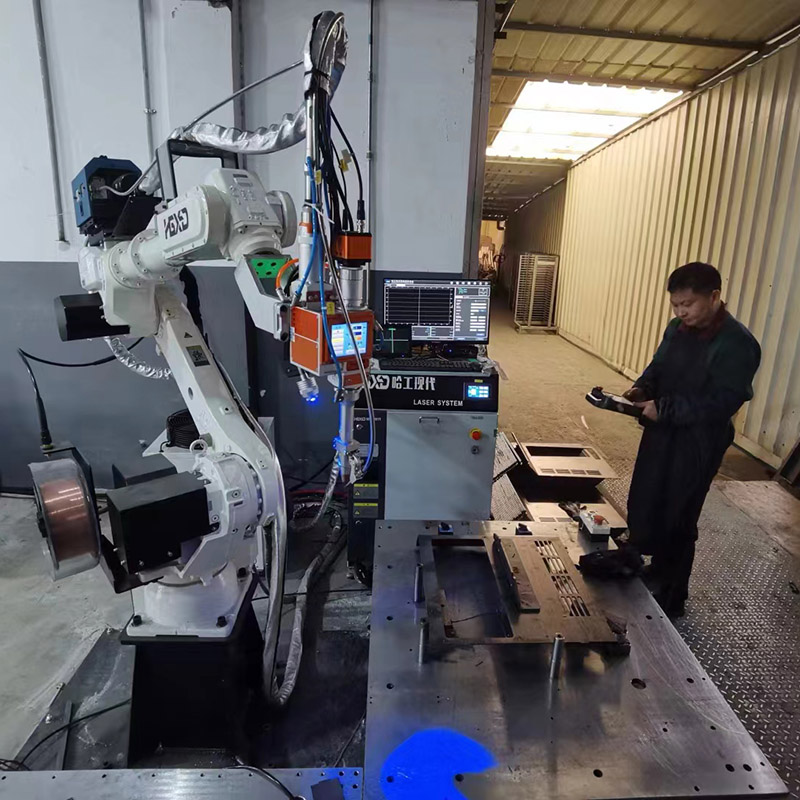
The laser cutting process begins with the generation of a focused light beam. This beam is amplified and directed through mirrors or fiber optics toward the cutting head. Once focused onto the material surface, the energy density becomes high enough to melt or vaporize the material instantly.
Computer numerical control (CNC) systems guide the laser head according to digital design files, ensuring consistent accuracy and automation throughout the production process.
| Process Step | Description |
|---|---|
| Laser Generation | A laser source creates a concentrated light beam. |
| Beam Delivery | Mirrors or fiber optics guide the beam. |
| Material Interaction | The beam melts or vaporizes the material. |
| Gas Assistance | Compressed gas removes molten residue. |
| CNC Control | Automated systems follow digital cutting paths. |
3. What Are the Main Types of Laser Cutting Machines?
Different laser technologies are designed for specific materials and applications. Choosing the correct laser type directly impacts productivity, precision, and operational costs.
CO₂ Lasers
CO₂ lasers are commonly used for cutting non-metallic materials such as acrylic, wood, plastics, textiles, and paper. They are valued for smooth edge quality and versatility.
Fiber Lasers
Fiber lasers offer high energy efficiency and are widely used for metal cutting applications including stainless steel, aluminum, brass, and carbon steel.
Nd:YAG Lasers
Nd:YAG lasers are ideal for specialized industrial applications requiring deep penetration and high pulse energy.
4. Why Is Laser Cutting Preferred in Manufacturing?
Manufacturers increasingly choose laser cutting because it improves productivity while maintaining exceptional quality standards. The technology reduces waste, minimizes human error, and supports automation.
Major Advantages
- Exceptional Precision: Laser cutting can achieve extremely tight tolerances.
- Reduced Waste: Narrow kerf widths help optimize material usage.
- Fast Production: High-speed processing shortens lead times.
- Automation Compatibility: CNC integration improves repeatability.
- Cleaner Edges: Minimal burrs reduce post-processing.
- Versatility: Suitable for multiple materials and thicknesses.
Companies like NINGBO UNITED MACHINE CO.,LTD. use advanced laser cutting systems to support industries requiring high-quality fabrication and customized production solutions.
5. Which Industries Use Laser Cutting?
Laser cutting technology supports a wide range of industries because of its flexibility and precision capabilities.
| Industry | Applications |
|---|---|
| Automotive | Body panels, exhaust systems, brackets |
| Construction | Architectural panels, structural components |
| Electronics | Precision housings and enclosures |
| Medical | Surgical instruments and implants |
| Aerospace | High-precision lightweight components |
6. What Materials Can Be Laser Cut?
Laser cutting systems are capable of processing numerous materials depending on the machine type and power capacity.
Metals
- Stainless Steel
- Carbon Steel
- Aluminum
- Copper
- Brass
Non-Metals
- Acrylic
- Wood
- Rubber
- Plastic
- Textiles
Special Materials
- Composites
- Ceramics
- Titanium
- Foams
- Thin Films
7. Laser Cutting vs Traditional Cutting Methods
Many businesses compare laser cutting with plasma cutting, waterjet cutting, and mechanical cutting when selecting manufacturing processes.
| Method | Precision | Speed | Material Distortion |
|---|---|---|---|
| Laser Cutting | Excellent | High | Low |
| Plasma Cutting | Moderate | High | Medium |
| Waterjet Cutting | High | Moderate | Very Low |
| Mechanical Cutting | Lower | Moderate | Higher |
8. What Factors Affect Laser Cutting Costs?
Understanding pricing factors helps businesses estimate production expenses and optimize manufacturing budgets.
- Material type and thickness
- Machine power requirements
- Cutting complexity
- Production volume
- Edge finishing requirements
- Programming and setup time
Complex geometries generally increase cutting time, while higher production quantities often reduce per-unit costs through improved efficiency.
9. How Can You Improve Laser Cutting Quality?
Achieving excellent laser cutting results requires attention to machine settings, material preparation, and maintenance procedures.
Best Practices
- Use clean and flat materials.
- Select the appropriate laser power.
- Optimize cutting speed.
- Adjust gas pressure correctly.
- Perform regular lens maintenance.
- Use high-quality CAD/CAM files.
Experienced manufacturers like NINGBO UNITED MACHINE CO.,LTD. combine advanced machinery with technical expertise to ensure stable cutting performance and consistent product quality.
10. What Is the Future of Laser Cutting Technology?
Laser cutting technology continues to evolve rapidly as industries demand faster production, higher precision, and smarter automation systems.
Emerging trends include artificial intelligence integration, automated material handling, real-time process monitoring, and energy-efficient laser sources. Fiber laser technology is also expanding into thicker material applications that were once dominated by plasma or mechanical cutting systems.
As manufacturing shifts toward digital production environments, laser cutting will remain a core technology supporting flexible and efficient fabrication operations worldwide.
11. Frequently Asked Questions
Is laser cutting suitable for thick metal sheets?
Yes. High-power fiber laser systems can efficiently process thick metal sheets while maintaining excellent cutting quality.
Does laser cutting create clean edges?
Laser cutting usually produces smooth and precise edges with minimal burr formation, reducing the need for secondary finishing.
Can laser cutting be used for custom designs?
Absolutely. Laser cutting is ideal for customized products, complex patterns, and intricate geometries because CNC systems follow digital design files accurately.
What industries benefit the most from laser cutting?
Automotive, aerospace, electronics, medical, architecture, and industrial manufacturing sectors all rely heavily on laser cutting technology.
Why is fiber laser technology becoming more popular?
Fiber lasers offer higher efficiency, lower maintenance requirements, faster cutting speeds, and better performance for metal processing applications.
Looking for Reliable Laser Cutting Solutions?
NINGBO UNITED MACHINE CO.,LTD. provides professional manufacturing solutions with advanced laser cutting capabilities, precision fabrication, and customized industrial support for global clients.
Contact us today to discuss your project requirements and discover efficient, high-quality laser cutting services tailored to your business needs.
Related News
- How Can Thermoset Injection Molding Meet Your Custom Component Requirements?
- What Is Zamak Die Casting and How Does It Create Precision Metal Parts?
- What Critical Factors Should You Evaluate When Selecting Sand Casting For Metal Component Manufacturing?
- How Does Sand Casting Shape the Backbone of Modern Metal Manufacturing?
- Welding Guide: How to Select Materials, Machines, Filler Metals and Welding Parameters
- How Can a High-Quality Clamping Ring Improve Industrial Component Reliability
Leave me a message